Breathable or Sealed? The Patio Protection Call UK Homeowners Get Wrong
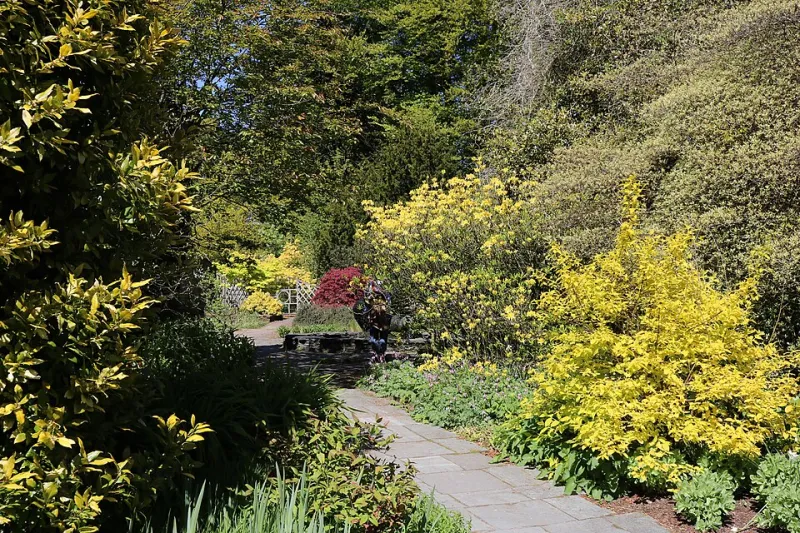
Photo: Billy McCrorie , CC BY-SA 2.0, via Wikimedia Commons
Sealing a patio feels like an easy win. A tin, a roller, a dry Saturday, and the surface will shrug off rain, moss and tea spills forever. Except it rarely works out that neatly in a UK garden. Some surfaces benefit from a sealer; others are better off left alone. And as we head into winter 2026, the wrong coat can do more harm than a season of wind and wet.
First, work out what you are sealing
A sealer is not a universal remedy. It is a product with a job, and that job depends on the surface underneath.
Natural stone is the classic case. Sandstone, limestone and slate are porous to different degrees. A penetrating, impregnating sealer can reduce water absorption and help keep moss and algae from getting a foothold, while leaving the stone able to breathe. A film-forming sealer, by contrast, sits on the face like a coat of varnish. On a dry, well-drained patio it may look smart for a while. On a damp, shaded or north-facing patio it can trap moisture underneath, and that is when flaking, clouding and frost damage start to appear.
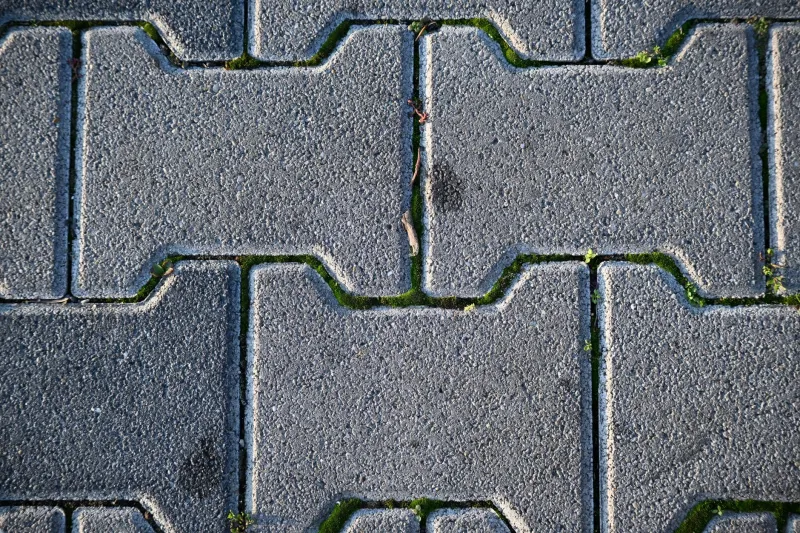
Concrete block paving is often sealed for colour and stain resistance. It can work, especially on a driveway or a patio that gets a lot of use. But block paving also has joints, and those joints need to drain. A heavy film sealer can seal the lot into one sheet, reducing the very permeability that helps the patio cope with rain. If the blocks were laid on a weak sub-base, or the fall is marginal, sealing will not fix that.
Porcelain is a different animal. Good-quality porcelain is vitrified and very low-absorption. It generally does not need sealing to protect the tile itself. Some installers seal the grout lines to make cleaning easier, and some use an impregnator on textured porcelain to reduce dirt pick-up. But a glossy film sealer on porcelain is usually unnecessary and can wear badly in high-traffic areas.
Clay pavers, resin-bound surfaces and patterned concrete all have their own rules. Read the manufacturer's data sheet rather than guessing from the label on a tin.
Impregnating versus film-forming
Getting your head around the two main types is the key to this decision.
Impregnating sealers penetrate the pores and line them, rather than sitting on top. They are usually breathable, leave a more natural finish, and are less likely to peel. They need reapplication every few years, and they will not hide existing stains or repair a tired surface. Think of them as a raincoat that lets the fabric breathe.
Film-forming sealers create a continuous layer on the surface. Acrylic and polyurethane products are common. They can enhance colour, give a wet look and make cleaning easier. But they are also the ones most likely to trap moisture, blister, peel or go milky if applied to a damp surface or in cool, humid conditions. Once a film starts to fail, removing it can be a miserable job.
For most UK patios, the safer starting point is a breathable impregnator, or no sealer at all. Film products can work, but they demand a dry surface, the right temperature and a realistic idea of how they will age.
The winter trap
November is not the month to experiment. Air and ground temperatures are dropping, drying times stretch out, and damp is never far away. Applying a sealer to a patio that is holding moisture is a classic own goal. The water has to go somewhere. If the surface is sealed, it may sit under the film, freeze during a cold snap and push at the surface from below.
That does not mean you can never seal in autumn. It means the surface has to be genuinely dry, the forecast has to be settled, and the product has to be suitable for the conditions. If the patio is shaded, north-facing, surrounded by wet leaves or sitting on heavy clay, be cautious. Cleaning, clearing gutters and improving drainage will do more good this month than a coat of sealer.
A simple decision checklist
Use this as a starting point, not a substitute for reading the label.
- Identify the surface. Natural stone, concrete block, porcelain, clay and resin-bound all behave differently.
- Check the drainage. Does water sit in puddles, or run off as it should? Fix that before you seal anything.
- Look at the exposure. A sunny, open patio dries faster than a shaded courtyard with poor airflow.
- Decide what you want. Stain resistance, colour enhancement, less moss, easier cleaning, or simply a tidier look. If you cannot name the benefit, pause.
- Set a realistic budget. A cheap film sealer is not a bargain if it peels in two years. A decent impregnator costs more upfront but is often more forgiving.
- Test a patch. Apply to a small, inconspicuous area and see how it dries, how it looks and how it behaves after rain.
When cleaning is the better answer
If the patio is structurally sound, drains well and only looks a bit dull, start with cleaning. A proper sweep, a suitable cleaner and a stiff brush can transform block paving and stone. Moss and algae are a sign of damp and shade, not necessarily a sign you need a sealer.
Sealing should be a deliberate choice, not a default chore. On many UK patios, the best protection is a clean surface, clear drainage and a bit of restraint. If you do seal, choose the right product for the surface, apply it to a dry patio and accept that it will need looking after. A sealer is a maintenance tool, not a permanent shield.