Character Comes With Baggage: Buying Reclaimed York Stone Without Inheriting a Money Pit
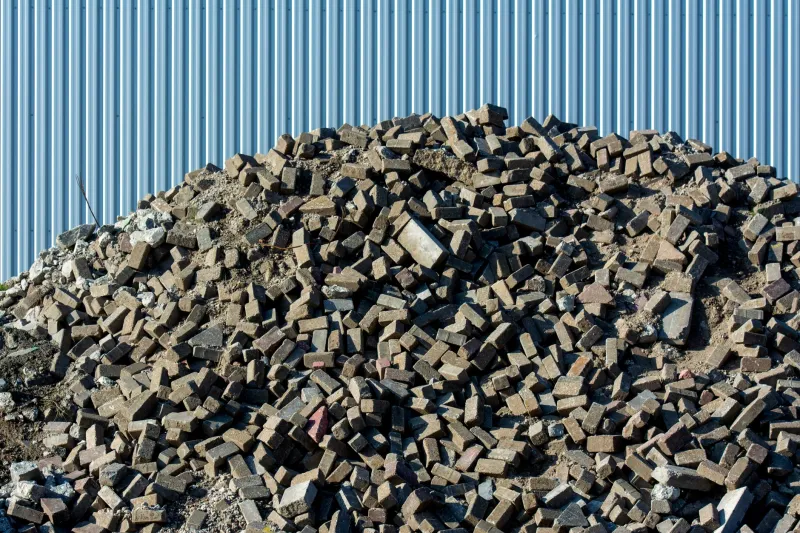
Reclaimed York stone has a look that new paving struggles to fake. The surface is worn in the right places, the edges are softened, and the colour has a depth that makes a patio feel like it has been there for decades rather than delivered on a pallet. That character is exactly why good reclaimed flags command serious money. It is also why so much dodgy stock gets sold to people who only see the face of the top flag.
Here is the practical view for 2026: reclaimed York stone can be excellent value if you buy carefully, but it is not a cheap shortcut. Treat it as a material with a history, a variable thickness and a real chance of hidden faults. Then decide whether the look is worth the extra labour.
Start with what 'York stone' actually means
York stone is not a finish or a colour. It is a broad trade name for sandstone from the Yorkshire coalfield, and genuine reclaimed stock usually comes out of old streets, mills, churches, farm buildings and domestic paths. Some sellers use 'York-style' or 'Yorkstone-effect' to describe anything with a riven face, which is not the same thing. Ask whether it is genuine reclaimed Yorkshire sandstone and where it came from. If the answer is vague, price it as generic reclaimed sandstone, not as premium York stone.
This matters because the gap between good reclaimed flags and random old paving is where buyers get hurt. A pallet of worn Indian sandstone that has been sitting in a yard is not York stone. Nor is a batch of new riven sandstone that has been brushed with a wire wheel. Neither is necessarily bad, but you should not pay a York stone premium for them.
Inspect the face, then turn it over
The face sells the flag. The back and edges tell you whether it will survive a UK winter. Look for delamination: thin layers lifting at the edges or flaking off in sheets. Tap the flag with a knuckle or the handle of a bolster. A dull, hollow sound can point to a soft bed or a hidden fissure. Hairline cracks are worth taking seriously too, especially if they run across a corner where the flag will be walked on.
Check for contamination as well. Bitumen, paint, cement smears, silicone and old sealant can all be a nuisance to remove. Acid washing is another red flag. Some yards use acid to clean old stone, and it can leave the surface friable and prone to frost damage. Ask what the flags have been washed with and whether they have been sealed. If a flag has been sealed with a film-forming product, moisture may be trapped inside and the surface can flake after a cold snap.
Wet a few flags before you buy. If water beads on the surface or the stone stays patchy and dark, it may have been treated. That is not automatically a deal-breaker, but it changes how much cleaning and preparation you are taking on.
Thickness and size variation are the real budget killers
Old flags were not made to a modern module. A pallet described as '50mm nominal' might run from 35mm to 65mm, and some street flags are much thicker. That variation has to be accommodated in the laying bed, and it adds time. If you are laying on a mortar bed, you need enough depth to bring each flag to the right level without dot-and-dab bedding. If you are laying on sand, variable thickness will show up in the finished surface unless you are very disciplined.
Sizes are just as awkward. Imperial lengths, square flags, long runners and odd widths can look fantastic in the right garden, but they are not a tidy grid. Expect cutting, extra wastage and a layout that needs designing around the stock rather than the other way round. A sensible allowance is 15 to 20 per cent extra for cuts and breakages. If you want crisp lines and a fast laying programme, reclaimed stone is the wrong material. If you want a patio that looks settled and you are happy to work with what the yard has, it can be superb.
Provenance: ask awkward questions early
A good salvage yard will tell you where a batch came from and what it has been through. Ask whether the flags were lifted from a street, a mill floor, a chapel, a garden patio or a demolition site. Street flags can be heavily worn and polished by traffic, which is attractive, but they can also be very thick and inconsistent. Domestic flags may be thinner and easier to lay, but they may have been bedded in cement that needs cleaning off.
Ask how long they have been stacked and whether they have been stored flat. Flags stacked on edge for months can crack or bow. Ask for photos of the backs and ends, not just a tidy face-up pallet. If you are buying online, get a video call or a friend to inspect in person. Reclaimed stone is a physical purchase. A photograph of the best six flags on a pallet tells you almost nothing about the other forty.
Clean and sort before the mixer arrives
Once the stone is on your driveway, sort it before you start laying. Triage into three groups: good faces for the main field, sound but less pretty flags for cuts and less visible areas, and damaged flags that should not go into the patio at all. Do not be tempted to bury cracked or delaminating flags in the middle of a patio. They will not heal, and lifting them later is far more expensive than setting them aside now.
Clean with a stiff brush and water first. A low-pressure washer is usually fine, but do not blast the face at close range or you will erode the riven surface. Remove old mortar with a hand bolster and club hammer rather than a heavy breaker. Avoid acid unless you really know what you are doing and have tested a spare flag. Stack cleaned flags flat on timber bearers, not on edge, and keep them off wet ground.
What it costs in 2026
Reclaimed York stone is a broad market, so treat any figure as a ballpark. Mixed reclaimed flags often sit somewhere around £60 to £120 per square metre, with large, thick, matching stock and clean faces commanding more. New riven sandstone is commonly £25 to £55 per square metre, while new genuine Yorkshire stone is a step up again. Laying costs for a patio are typically £70 to £120 per square metre depending on access, bedding method and detailing, and reclaimed stone adds sorting, cleaning and cutting time on top.
The hidden cost is the labour you did not budget for. If you are paying a contractor, be clear about who is sorting, cleaning and cutting the stone, and whether the price assumes a consistent thickness. A reclaimed patio priced like a new sandstone patio is usually a quote that has not accounted for the reality of old flags.
When new is the safer buy
New equivalent stone wins when you need a known quantity: a fixed area, a consistent thickness, a tight deadline, a warranty, or a crisp modern layout. It also wins if the patio has to meet strict levels, or if the laying crew is priced per square metre and cannot absorb hours of sorting. A new riven sandstone or new Yorkshire stone will not have the same instant age, but it will be predictable.
Reclaimed stone earns its keep when character is the point. Period properties, cottage gardens, walled courtyards and paths that want to look established all suit old flags. It also makes sense if you can inspect the stock, buy a little more than you need, and accept that the finished patio will be a collection rather than a uniform sheet. A hybrid approach often works well: reclaimed flags for the main field, new matching stone for edges and cuts, and a contractor who understands both.
The best reclaimed flag is not the one in the prettiest online photo. It is the one you have turned over, tapped, measured and cleaned before it goes anywhere near a mortar bed. Buy the stone, not the story.