The Shaded Patio Brief: Paving a North-Facing Garden That Still Works
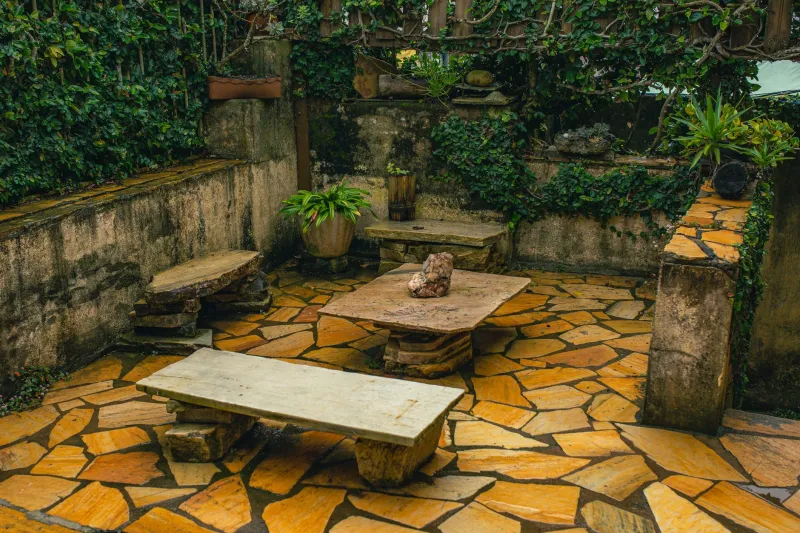
A north-facing patio gets a bad reputation before a single slab is laid. The usual story is that it will turn green, stay wet and need constant cleaning. There is truth in the warning, but it is only half the story. Shade changes how a patio behaves, not whether it can work. The trick is to stop treating a shaded garden like a sun-baked one and start specifying for the conditions it actually has.
In the UK, shade usually comes from the house itself, a boundary fence, mature trees or a combination of all three. That means less direct sun, lower surface temperatures for much of the day and slower evaporation after rain. A patio in full sun might dry in an hour; one on the north side can stay damp well into the next morning. The consequences show up in the joints first, then on the surface, then in the routine you need to keep it looking decent.
Shade is a moisture problem, not a colour problem
The most useful way to think about a shaded patio is to forget about style for a moment and think about water. Where does it land, where does it sit and how does it leave? If the answer to the last question is slowly, every material decision becomes easier to judge.
Damp joints are the main issue. Moss and algae do not need standing water; they need consistent moisture and a bit of dirt. Shaded paving gives them both. Leaves, pollen and general garden grit collect in the same damp pockets, and before long the patio has a green tinge that is not part of the design. Frost also lingers longer on shaded surfaces in winter, which is worth remembering when choosing a smooth finish for a route to the shed or back door.
None of this means you need a laboratory-grade drainage scheme. It does mean you should design for airflow and fall, keep joints sensible and accept that small, regular maintenance beats one heroic pressure-washing session every spring.
How the main paving types behave in shade
There is no single winner here. Sandstone, porcelain, concrete and block paving all work in a north-facing garden, but they ask for different things from the person holding the broom.
Sandstone is the traditional choice and it looks at home in older gardens. Riven sandstone has a textured surface and plenty of small ledges where moisture and dirt can gather, so algae can settle into the grain. It is not a reason to avoid it, but a riven patio in deep shade will need more brushing than the same stone in full sun. Sawn or honed sandstone is easier to sweep, though it can feel slicker when wet. Avoid the temptation to seal a damp sandstone patio just to keep it looking dry; if moisture is trapped, that usually makes matters worse.
Porcelain has become the default modern option for good reason. It absorbs very little water, so surface staining and algae are easier to deal with than on many porous stones. The catch is the finish. Polished porcelain in shade can be genuinely slippery when wet, especially under trees or near a tap. A textured or matt porcelain is the safer call for a north-facing garden. Porcelain also needs a joint that drains well, because the slab being impervious does not stop the joint from growing moss.
Concrete paving is the practical middle ground. It is consistent, widely available and usually cheaper than natural stone or porcelain. Some concrete flags are porous and can hold damp, while denser wet-cast products perform more like stone. In shade, lighter colours help make the space feel less gloomy, but they also show up dirt and algae more readily. A textured concrete flag is usually a better bet than a very smooth one.
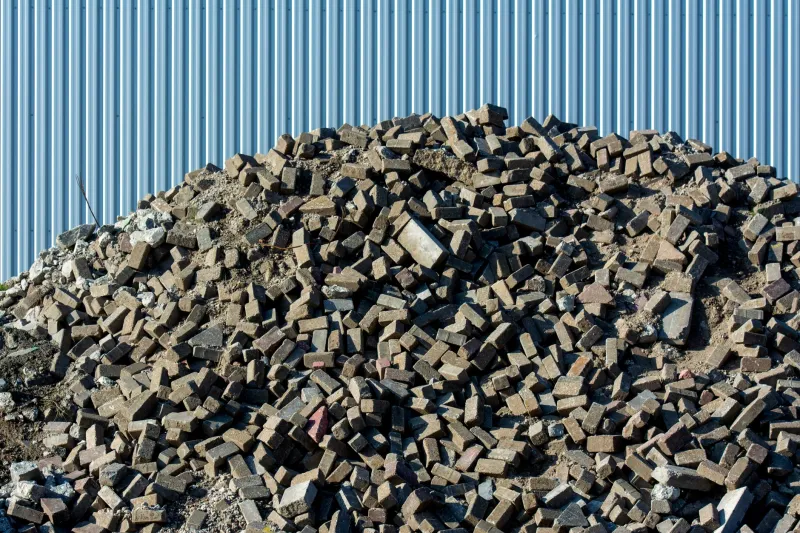
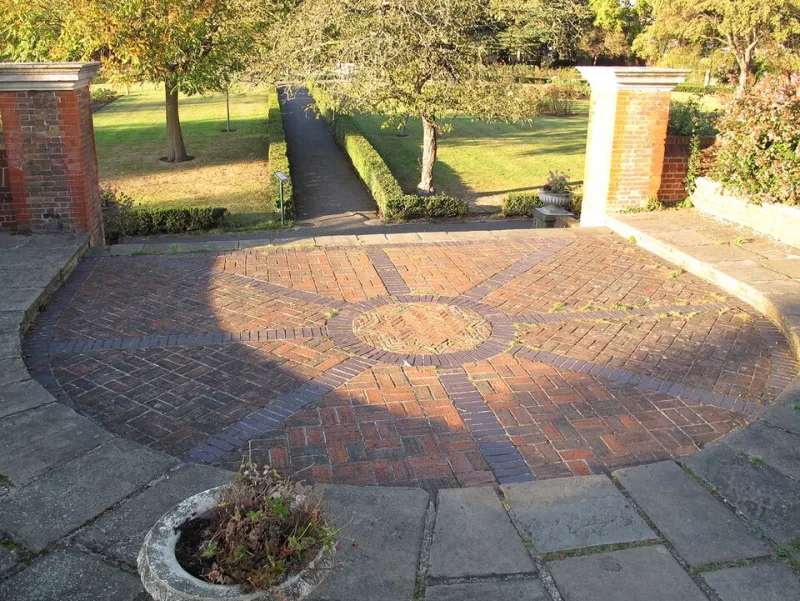
Block paving is repairable, which matters in a shaded garden where joints are the first thing to suffer. The joints between blocks can become a moss nursery if they are filled with ordinary kiln-dried sand and kept damp. A permeable or resin-based jointing material can help, but it is not a magic fix if the patio falls the wrong way. The advantage of blocks is that if one area does stain or settle, you can lift and re-lay it without replacing the whole patio.
Joints, sub-base and the details that buy you time
The joint is the most overlooked part of a shaded patio. Wide, open joints filled with soil or failing mortar hold water and give weeds a foothold. Narrow, well-filled joints with a suitable jointing aggregate or resin are easier to keep clean. If you are using a permeable system, make sure the whole build is permeable, not just the joint. A permeable joint over a sealed sub-base is just a decorative puddle-maker.
The sub-base matters just as much. A properly graded, compacted sub-base with a geotextile separation layer helps water move without the surface pumping or settling. Falls should take water away from the house and towards a drain, channel or garden, typically around 1:60 to 1:80 for a patio. On a shaded site, a slight fall is not a detail you can fudge because the patio looks level. It is the difference between a surface that dries and one that stays damp for days.
Airflow is the free upgrade. Keep a gap under fences where possible, avoid raising soil beds right up against the paving and prune back shrubs that trap damp air. A shaded patio with good airflow dries far better than one in a still, enclosed corner.
A seasonal routine that suits shade
The aim is not to make the patio sterile. It is to interrupt the cycle before moss and algae get established. Little and often works better than aggressive cleaning.
- Late winter: check joints, edges and drainage. Remove leaves and debris that have collected over the winter, and note any hollow spots or rocking slabs.
- Spring: give the surface a stiff brush and wash with a mild detergent if needed. Treat small moss patches early rather than waiting for them to spread.
- Summer: clean in a dry spell, not straight after rain. This is the best window for any deeper clean because the patio can dry properly afterwards.
- Autumn: keep leaves off the paving, especially in corners and against fences. Wet leaves are slippery and they break down into the dirt that algae loves.
A pressure washer is not banned, but it should not become the default. High-pressure cleaning can blast out jointing, open up the surface of some stones and spread dirty water across the patio. If you use one, keep the pressure low, work in sections, and plan to re-sand or top up joints afterwards.
The takeaway
A north-facing patio is a different brief, not a lost cause. Choose a material whose maintenance you can live with, detail the joints and falls properly, and keep the cleaning routine small and regular. Shade will always mean a little more attention than a sun-trap terrace, but it does not have to mean a green carpet and a pressure washer every weekend.